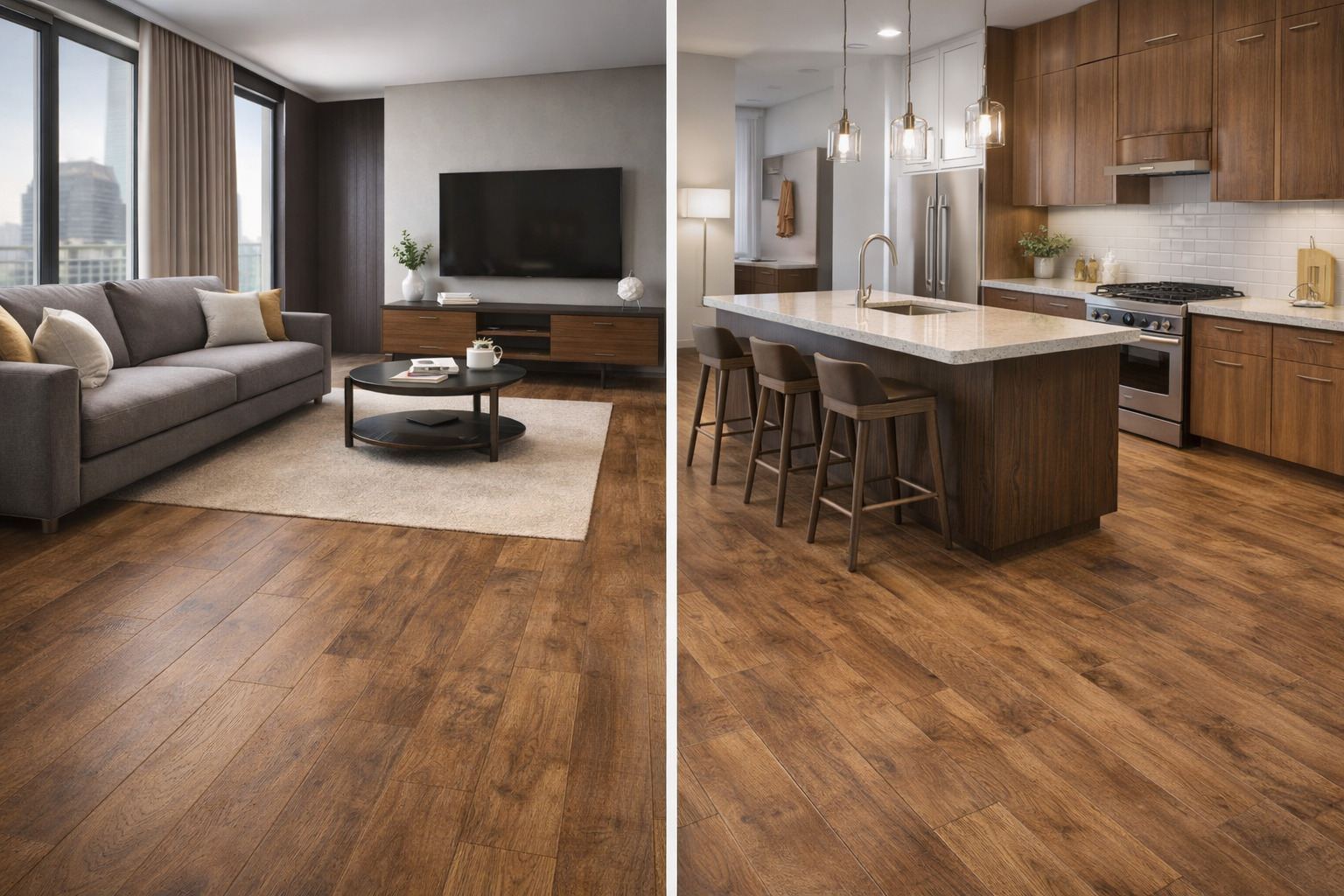
Luxury Vinyl Flooring (LVT) has rapidly emerged as one of the most preferred flooring solutions for modern residential and commercial spaces. Known for its realistic appearance, durability, and moisture resistance, LVT combines advanced technology with elegant design. It delivers the look of natural materials such as wood and stone while offering superior performance, easier maintenance, and better affordability.
In this detailed guide, we will explore what Luxury Vinyl Flooring is, its key features, cost considerations, advantages, limitations, and the best applications for different spaces.
What Is Luxury Vinyl Flooring (LVT)?
Luxury Vinyl Tile (LVT) is a premium category of vinyl flooring designed to replicate the appearance and texture of natural materials like hardwood, marble, slate, or ceramic tiles. Unlike traditional vinyl sheets, LVT comes in individual planks or tiles, allowing for more realistic patterns and flexible installation layouts.
LVT flooring is manufactured using multiple layers, each contributing to its durability, stability, and visual appeal.
Typical LVT Layer Structure
- Wear Layer – A transparent protective coating that resists scratches, stains, and daily wear
- Design Layer – High-resolution printed visuals that mimic wood grains or stone textures
- Core Layer – Provides structural strength and dimensional stability
- Backing Layer – Adds support, sound absorption, and moisture resistance
Key Features of Luxury Vinyl Flooring
1. Realistic Appearance
Modern LVT uses advanced printing and embossing technology to closely resemble natural materials. The textures, grains, and color variations create a premium look that is often difficult to distinguish from real wood or stone.
2. High Durability
Luxury Vinyl Flooring is designed to withstand heavy foot traffic, making it suitable for both residential and commercial environments. A strong wear layer protects against scratches, dents, and scuffs caused by furniture or daily movement.
3. Waterproof and Moisture Resistant
One of the biggest advantages of LVT flooring is its excellent resistance to moisture. Many LVT products are fully waterproof, making them ideal for areas prone to spills or humidity.
4. Comfortable Underfoot
Unlike ceramic tiles or stone flooring, LVT offers a softer and warmer feel underfoot. This enhances comfort, especially in living spaces and bedrooms.
5. Easy Installation
LVT flooring can be installed using:
- Click-lock system
- Glue-down method
- Loose-lay installation
These methods allow faster installation compared to traditional flooring options and reduce overall labor time.
6. Low Maintenance
Luxury Vinyl Flooring requires minimal upkeep. Regular sweeping and occasional damp mopping are sufficient to maintain its appearance.
Advantages of Luxury Vinyl Flooring
- Resistant to water, stains, and scratches
- Suitable for high-traffic areas
- Wide variety of designs and finishes
- Easy to replace individual tiles or planks
- Cost-effective alternative to hardwood and stone
LVT Flooring Cost: What Influences the Price?
The cost of Luxury Vinyl Flooring depends on several factors rather than a fixed price.
Major Cost Factors
- Wear Layer Thickness: Thicker wear layers offer better durability and higher cost
- Core Quality: High-density cores provide better stability
- Design Complexity: Realistic wood and stone patterns may cost more
- Installation Method: Glue-down or professional installation adds to total cost
Overall Cost Insight
Although LVT may cost more than basic vinyl, it is significantly more affordable than natural wood or stone flooring. Its long lifespan and low maintenance requirements make it a cost-effective investment over time.
Best Uses of Luxury Vinyl Flooring
1. Residential Spaces
Living Rooms:
LVT provides a warm and stylish look while handling daily foot traffic effortlessly.
Bedrooms:
Its soft surface and sound-absorbing properties create a comfortable and quiet environment.
Kitchens:
Water-resistant properties make LVT ideal for kitchens where spills are common.
Bathrooms:
With waterproof options available, LVT performs well in moisture-prone areas.
2. Commercial Spaces
Offices:
Durable and professional-looking, LVT suits modern office interiors.
Retail Stores:
Its ability to withstand heavy foot traffic while maintaining appearance makes it a popular choice.
Hotels and Restaurants:
Luxury visuals combined with easy maintenance make LVT ideal for hospitality spaces.
3. Rental and High-Use Properties
LVT is highly suitable for rental properties due to its durability, ease of repair, and resistance to damage.
LVT vs Other Flooring Options
LVT vs Hardwood Flooring
- LVT is more moisture-resistant and easier to maintain
- Hardwood offers natural authenticity but requires higher maintenance
LVT vs Ceramic Tiles
- LVT is warmer and more comfortable underfoot
- Tiles are harder and colder but extremely durable
LVT vs Laminate Flooring
- LVT performs better in wet areas
- Laminate may be less expensive but is not fully waterproof
Maintenance and Care Tips
- Sweep or vacuum regularly to remove dust
- Clean with a damp mop using vinyl-safe cleaners
- Avoid abrasive tools and harsh chemicals
- Use protective pads under furniture
Proper care helps extend the life and appearance of LVT flooring.
Is Luxury Vinyl Flooring Eco-Friendly?
Modern LVT products are increasingly manufactured with low-VOC materials, making them safer for indoor air quality. Some brands also focus on recyclable components and sustainable manufacturing practices.
Conclusion
Luxury Vinyl Flooring (LVT) is a versatile, durable, and visually appealing flooring solution that meets the needs of modern homes and commercial spaces. With its realistic designs, waterproof performance, and ease of maintenance, LVT offers excellent value for long-term use. Whether for residential comfort or commercial durability, LVT stands out as a smart and stylish flooring choice.