In modern construction, flooring is more than a design element — it is a functional cornerstone that affects the longevity, safety, and aesthetic appeal of any space. For both residential and commercial projects, durability is no longer optional; it is essential.
Among advanced flooring solutions, SPC (Stone Plastic Composite) flooring has emerged as a preferred choice for architects, developers, and interior designers. Its popularity is rooted in two key technical advantages: impact resistance and dimensional stability. These attributes ensure that SPC flooring withstands heavy usage, environmental changes, and the test of time, all while maintaining its visual elegance.
This blog explores the science behind these qualities, their importance in modern construction, and why Argiltiles’ SPC solutions are the industry standard.
Understanding Impact Resistance
What Is Impact Resistance?
Impact resistance refers to a material’s ability to absorb and dissipate force without cracking, denting, or deforming. In flooring, it is critical because floors are constantly exposed to:
- Foot traffic (high-traffic commercial areas, lobbies, and corridors)
- Dropped objects (furniture, tools, or decorative items)
- Heavy equipment and machinery in offices or retail spaces
A flooring material with high impact resistance maintains structural integrity and appearance, even under repetitive stress.
How SPC Achieves Superior Impact Resistance
SPC flooring combines limestone powder, PVC resin, and stabilizers to create a dense, rigid core. This core is engineered to absorb shocks without compromising the surface.
Key features include:
- High-density core – Offers compressive strength that prevents indentations from heavy objects.
- Multi-layer structure – Distributes force evenly across layers, minimizing stress on any single point.
- Protective wear layer – Shields the decorative surface from scratches and minor abrasions, maintaining aesthetics.
As a result, SPC flooring is far more resilient than laminate, wooden, or standard vinyl flooring, making it ideal for both residential and high-traffic commercial environments.
The Importance of Dimensional Stability
What Is Dimensional Stability?
Dimensional stability is the ability of a material to maintain its shape, size, and alignment under changing environmental conditions, including temperature and humidity fluctuations.
Traditional flooring materials, such as wood or laminate, expand or contract in response to heat or moisture, leading to:
- Warping or buckling
- Gaps between planks or tiles
- Reduced lifespan and frequent repairs
SPC flooring’s engineered core overcomes these issues, providing consistent performance in any environment.
How SPC Maintains Stability
The rigid composite core of SPC flooring is inherently low in thermal expansion, meaning it does not swell, shrink, or deform when exposed to heat, moisture, or direct sunlight.
Additional design features that enhance stability include:
- Precision locking systems – Prevents plank separation or misalignment.
- Balanced layer composition – Each layer is engineered to counteract movement, keeping the overall structure stable.
- Moisture-resistant core – Prevents water absorption that can cause warping in traditional materials.
This stability ensures that even in humid coastal regions, monsoon-prone cities, or air-conditioned interiors, SPC flooring retains its perfect fit and finish.
Real-World Applications Where Impact Resistance and Stability Matter
- Commercial Buildings
Offices, shopping malls, and hospitality spaces experience heavy foot traffic daily. SPC flooring ensures safety, longevity, and minimal maintenance without sacrificing visual appeal.
- Residential Spaces
In modern homes, children, pets, and frequent furniture movement can damage conventional flooring. SPC’s impact resistance and moisture-proof design provide peace of mind while maintaining elegance.
- Industrial and Retail Environments
Warehouses, showrooms, and boutique stores require floors that withstand load, footfall, and equipment movement. SPC’s rigid core and wear layer make it suitable for high-performance flooring applications.
Comparative Advantage: SPC vs Traditional Flooring

SPC flooring clearly provides a superior combination of durability and stability — addressing the weaknesses of traditional materials while maintaining a premium aesthetic.
Testing Standards and Industry Benchmarks
To ensure impact resistance and stability, high-quality SPC flooring undergoes rigorous testing, including:
- ASTM D5420 – Measures impact resistance of rigid plastics.
- EN 16354 – European standards for SPC performance in commercial environments.
- Thermal and humidity cycling tests – Simulate temperature and moisture fluctuations to assess dimensional stability.
Argiltiles’ SPC flooring surpasses these benchmarks, guaranteeing products that perform reliably under real-world conditions.
Sustainability and Long-Term Value
Durable and dimensionally stable flooring contributes to sustainable construction. By reducing frequent replacements, SPC minimizes material waste. Argiltiles’ SPC flooring also integrates eco-friendly production processes:
- Use of recyclable limestone powder and PVC
- Energy-efficient manufacturing techniques
- Zero formaldehyde and low VOC emissions for healthier interiors
The result is a flooring solution that not only withstands physical and environmental stresses but also supports green building initiatives and long-term sustainability goals.
Argiltiles: Excellence in SPC Engineering
At Argiltiles, we combine engineering precision with design sophistication to produce SPC flooring that excels in impact resistance and dimensional stability.
Key Advantages of Argiltiles SPC:
- Rigid Core Technology – Optimized for high compressive strength and stability.
- Durable Wear Layer – Resistant to scratches, stains, and UV damage.
- Precision Locking System – Ensures uniform plank alignment and easy installation.
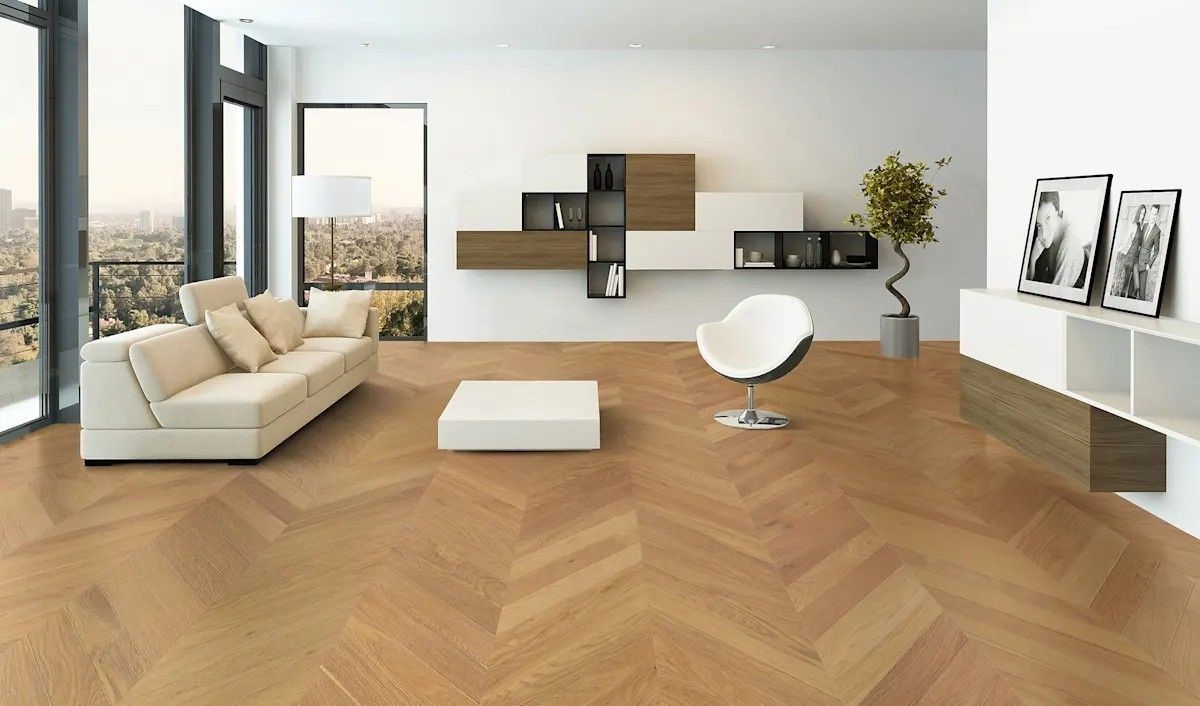
- Aesthetic Diversity – Wide range of finishes mimicking wood, stone, and marble.
- Green Manufacturing – Eco-friendly production and recyclable
These innovations ensure that Argiltiles’ SPC flooring delivers long-term performance, safety, and design excellence — the ideal solution for modern Indian and international construction projects.
Conclusion
Impact resistance and dimensional stability are not just technical specifications; they define the practical performance, safety, and longevity of flooring. SPC flooring, with its engineered composite core and protective wear layers, addresses these critical factors while delivering premium aesthetics and low maintenance.
For homeowners, architects, and developers seeking a reliable, high-performance, and beautiful flooring solution, SPC flooring represents the future of smart construction.
With Argiltiles’ SPC solutions, you get more than just flooring — you get precision engineering, design elegance, and sustainability all in one.
Investing in SPC is investing in flooring that endures, performs, and inspires.