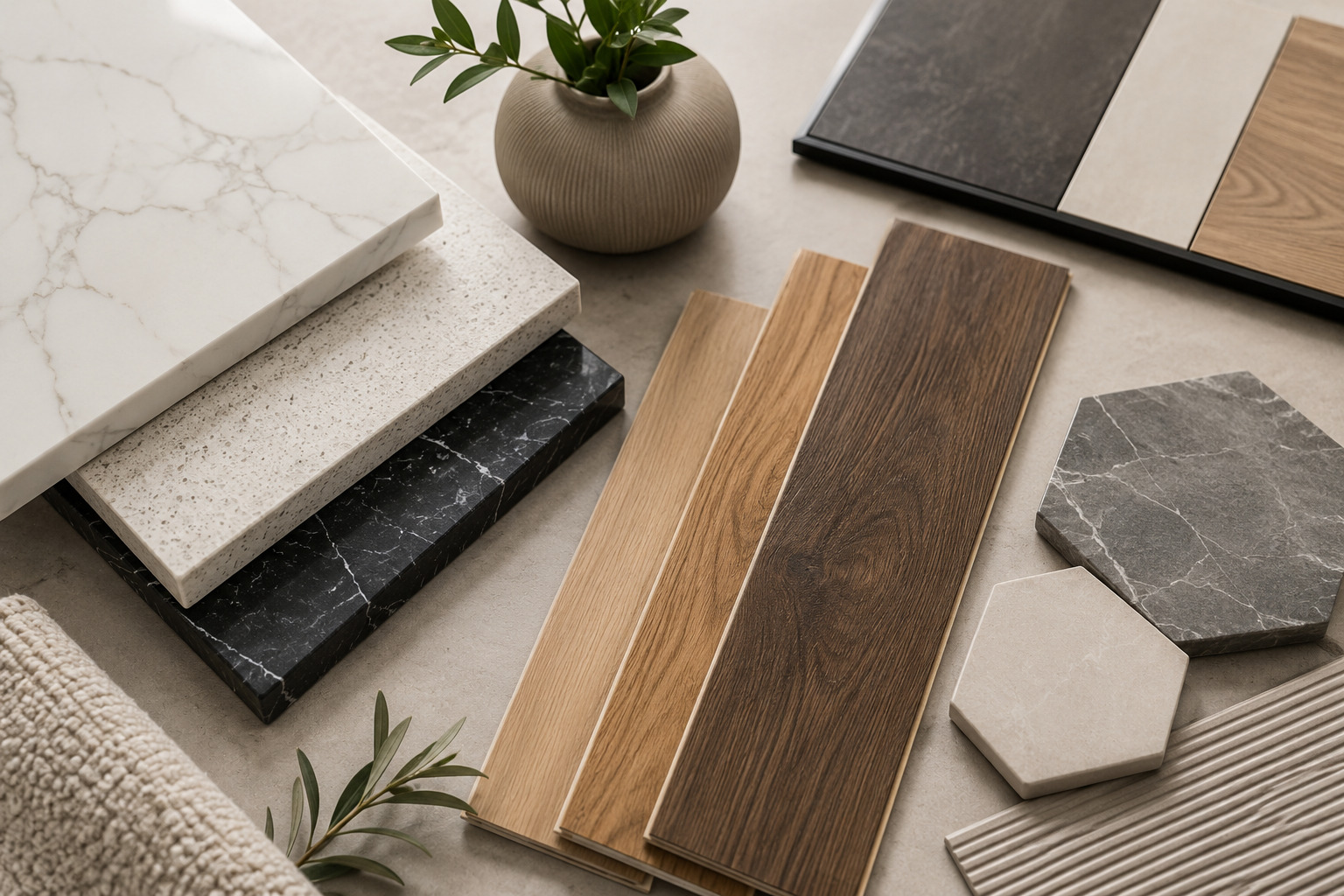
Building a home or commercial space is one of the most significant investments you'll make. While layouts, furniture, and décor may evolve over time, the materials you choose today will influence the appearance, functionality, and value of your property for decades.
Many homeowners focus heavily on aesthetics during the selection process. However, materials that look impressive on day one may not necessarily perform well after years of daily use. Scratches, stains, fading, moisture damage, and maintenance challenges can quickly diminish the appeal of a space.
The key to creating a timeless environment lies in choosing materials that combine durability, performance, and enduring design. Whether you're planning a new construction project or renovating an existing property, understanding what makes a material truly long-lasting can help you make smarter decisions.
1. Prioritize Performance Over Short-Term Trends
Design trends come and go. What feels modern today may appear outdated within a few years. While it's natural to be inspired by current styles, relying solely on trends can lead to costly renovations in the future.
Instead, focus on materials that offer a balance of contemporary aesthetics and long-term versatility. Neutral tones, natural-inspired finishes, and clean patterns tend to remain relevant across changing design preferences.
When selecting surfaces, flooring, and finishes, ask yourself a simple question:
"Will this material still look appealing ten or twenty years from now?"
If the answer is uncertain, it may not be the best long-term investment.
2. Consider How Materials Respond to Daily Life
Every material experiences wear and tear. The difference lies in how well it withstands everyday use.
Kitchen surfaces face hot cookware, spills, stains, and constant cleaning. Flooring must endure foot traffic, furniture movement, pets, and accidental impacts. Bathrooms encounter moisture, humidity, and temperature fluctuations.
A premium material should not only look attractive but also maintain its appearance despite these challenges.
Before making a selection, evaluate:
- Scratch resistance
- Stain resistance
- Moisture resistance
- Impact resistance
- UV stability
- Ease of maintenance
Materials that perform well in these areas typically retain their visual appeal for much longer.
3. Choose Low-Maintenance Solutions
One of the most overlooked aspects of material selection is maintenance.
A beautiful surface that requires constant polishing, sealing, or special cleaning products can become frustrating over time. Busy homeowners increasingly prefer materials that offer excellent performance with minimal upkeep.
Low-maintenance materials provide several advantages:
- Reduced long-term expenses
- Less cleaning effort
- Better appearance retention
- Greater convenience for daily living
The most successful modern spaces are often those designed around practicality as much as aesthetics.
4. Invest in Quality Flooring from the Beginning
Flooring occupies one of the largest visual areas in any property. It also experiences some of the highest levels of daily use.
Poor flooring choices can result in scratches, swelling, discoloration, or costly replacements within a few years.
When evaluating flooring options, consider:
- Water resistance
- Wear resistance
- Stability under temperature changes
- Ease of installation
- Long-term durability
Modern flooring technologies have significantly improved performance standards, allowing homeowners to achieve the appearance they desire without sacrificing practicality.
The best flooring solutions combine aesthetics with resilience, ensuring spaces continue to look refined even after years of use.
5. Select Surface Materials Designed for Longevity
Surfaces play a major role in defining the character of kitchens, bathrooms, reception areas, and commercial interiors.
A high-quality surface should be capable of handling everyday demands while maintaining a sophisticated appearance.
Key characteristics to look for include:
- Consistent finish quality
- Resistance to staining
- Resistance to scratches
- Structural stability
- Long-lasting visual appeal
Premium surfaces are not simply decorative elements; they are functional investments that contribute to the overall performance of a space.
6. Think Beyond Initial Cost
Many property owners focus primarily on upfront expenses. While budget considerations are important, evaluating materials solely based on purchase price can be misleading.
A lower-cost material may require:
- Frequent maintenance
- Repairs
- Replacement
- Additional labor expenses
Over a twenty-year period, these costs can exceed the initial savings.
When comparing options, consider total lifecycle value rather than initial cost alone. Materials that last longer and require less maintenance often provide superior returns on investment.
7. Create Flexible Spaces That Adapt Over Time
Interior styles evolve as lifestyles change. Materials that are overly specific to a particular trend may limit future design possibilities.
Choosing versatile finishes allows homeowners to update furniture, lighting, paint colors, and décor without needing major structural renovations.
Neutral palettes, natural textures, and refined finishes tend to work across a wide range of design styles, helping spaces remain relevant for years to come.
8. Sustainability Starts with Longevity
Sustainable design is not only about recycled content or environmentally friendly manufacturing processes. It is also about reducing replacement cycles.
Materials that last longer generate less waste, consume fewer resources over time, and contribute to more responsible construction practices.
A durable material that performs well for decades is often one of the most sustainable choices available.
9. Focus on Long-Term Property Value
Quality materials influence how a property is perceived by future buyers, tenants, and investors.
Well-maintained interiors featuring durable flooring, premium surfaces, and timeless finishes often command greater market appeal.
Properties that age gracefully tend to retain their value more effectively, making material selection an important financial consideration as well as a design decision.
Conclusion
Creating a space that still looks premium twenty years from now requires more than choosing attractive finishes. It demands careful consideration of durability, maintenance requirements, performance, versatility, and long-term value.
The most successful homes and commercial environments are built using materials that can withstand changing trends, daily use, and evolving lifestyles without losing their appeal.
By prioritizing quality over short-term trends and investing in materials designed for lasting performance, homeowners, architects, and designers can create spaces that remain functional, beautiful, and relevant for decades to come.
When selecting flooring, surfaces, and interior finishes, remember that the best materials are not always the newest or the most fashionable—they are the ones that continue delivering value long after the project is complete.