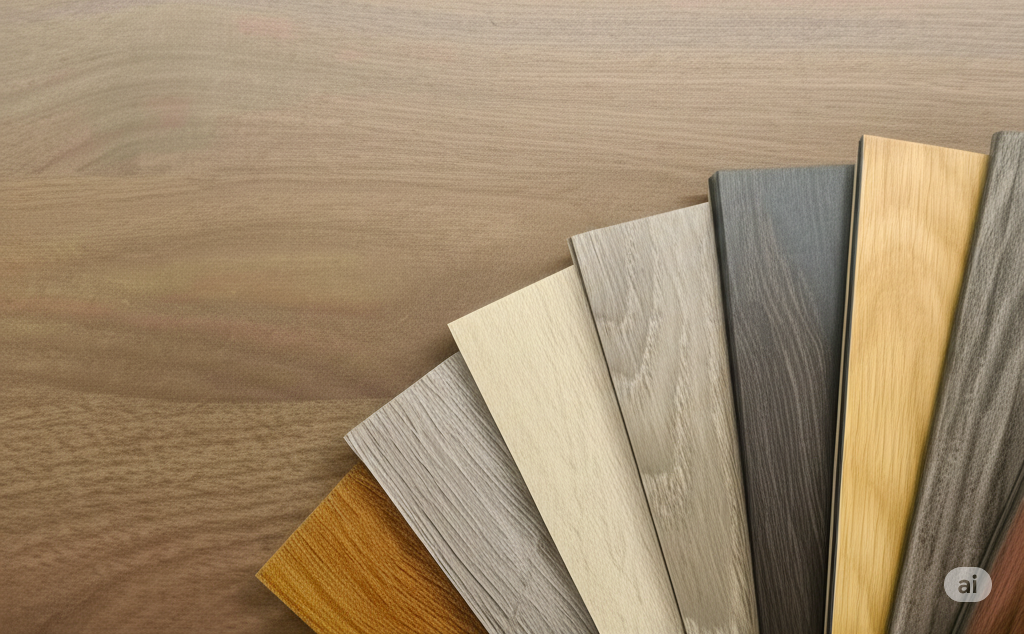
In an era where sustainability is more than a buzzword, green building practices are influencing every design decision—from architecture to interior finishes. Flooring, in particular, plays a critical role in shaping the ecological footprint of a building.
One material rapidly gaining traction is Stone Plastic Composite (SPC) flooring, especially with its innovative Link Lock installation system. But how environmentally friendly is it, really? Let’s explore the eco-credentials of SPC flooring and its role in the green building landscape.
What Is SPC Flooring?
SPC flooring is an advanced engineered product with a rigid core made from natural limestone powder, PVC (polyvinyl chloride), and stabilizers. It is layered with a vinyl wear surface and a protective coating, making it highly durable, waterproof, and dimensionally stable.
The Link Lock system—a click-and-lock mechanism—further enhances its appeal by simplifying installation and eliminating the need for harmful adhesives. This not only saves time and cost but also reduces environmental impact.
Environmental Credentials of Link Lock SPC Flooring
1. Material Efficiency & Composition
SPC flooring often incorporates recycled polymers and natural stone, reducing dependence on virgin plastic. With the Link Lock mechanism, installation waste is minimized—making the process more resource-efficient.
2. Long-Term Durability
SPC flooring is built for heavy foot traffic, moisture resistance, and longevity. Its tight-fitting Link Lock structure minimizes gaps, enhancing durability and reducing the need for frequent replacements—ultimately lowering environmental impact.
3. Eco-Friendly Installation
The Link Lock installation system eliminates the need for adhesives that often contain VOCs. This click-and-lock technology supports adhesive-free, DIY-friendly, and low-waste installation, making it both user- and eco-conscious.
4. Low VOC Emissions
Top-quality SPC flooring meets low-VOC standards, ensuring healthier indoor air quality. Pairing this with the adhesive-free Link Lock system further reduces exposure to harmful emissions.
5. Recyclability Potential
Though recycling of SPC flooring is still developing, many manufacturers are creating take-back programs and recyclable formulations. The modular Link Lock system also enables selective replacement, avoiding full-floor disposal during renovations.
SPC Flooring & Green Building Certifications
Link Lock SPC flooring can contribute to achieving certifications like LEED (Leadership in Energy and Environmental Design) by supporting:
- Use of recycled materials
- Low-VOC emissions
- Long-lasting durability
- Efficient, low-waste installation
The Link Lock mechanism further reduces adhesives and construction waste, aligning perfectly with sustainable building practices.
Considerations & Limitations
- PVC Content: While stable in final form, PVC is petroleum-based and raises environmental concerns during production and disposal.
- End-of-Life Disposal: Recycling infrastructure is still evolving, but modular Link Lock panels make selective replacement and recycling more feasible compared to traditional flooring.
Final Thoughts: Is Link Lock SPC Flooring Truly Green?
No flooring is 100% eco-perfect, but Link Lock SPC flooring makes a strong case as a sustainable choice. Its durability, low emissions, eco-friendly installation, and reduced material waste align well with the goals of green building.
By choosing responsibly manufactured SPC flooring—like the collections offered by Argil Group—homeowners, architects, and builders can achieve sustainability goals without compromising on performance, design, or convenience.